The Syntax of Things is the sophomore album from Galasphere 347, a band named after a spacecraft from the early sixties puppet series Space Patrol. Despite my advancing years, I don’t recall it at all, but Stephen James Bennett obviously does, as it is he who is the driving force behind the band, along with Ketil Vestrum Einarsen and Mattias Olsson. Their prog credentials are assured; Bennett played keyboards in the legendary experimental outfit Henry Fool alongside Tim Bowness amongst others, while Vestrum Einarsen plays in White Willow, as does Mattias Olsson, drummer extaordinaire who started out in Änglagård. We can take it as read therefore that these guys are no slouches. There are also several key guest appearances who certainly make their presence felt.
Galasphere 347 is dominated musically by the array of keyboards at Stephen Bennett’s disposal. He uses swathes of analogue keys, harking back to the halcyon days of the early prog pioneers, but often uses them in surprising ways, bringing a fresh perspective on some of these instruments. His writing is also distinctive, merging joyous full on prog excursions with segments that have a melancholy air, and meaningful, thought provoking lyrics. Ketil Vestrum Einarsen plays flute like a demon, and co-wrote several of the longer pieces. Olsson underpins the whole soundscape with his superb drumming, combining well with the various bass players on the album, namely John Jowitt (who else?) on three tracks, Pete Smith (Subway) on two, and Jacob Holm-Lupo (White Willow) on one. If that wasn’t enough, Bjørn Riis (Airbag) plays some fabulous lead guitar on three songs, and Bennett’s old friend from Henry Fool, Myke Clifford contributes his trademark wild saxophone on one track.
The album is bookended by the two-part Hiraeth, which, as the title implies, touches on reminiscing over times long lost. The sense of yearning is clear, but Bennett also has a sense of humour in part one.
We’d tap along in seven time
Mouthed the words that didn’t even rhyme.
On the radio
And then we heard
A song whose length was really quite absurd
We’re spending all our money
To analyse each word.’
Haven’t we all?! After part one’s energetic opening salvoes, featuring Olsson’s brisk drums and dense layers of keyboards, the verses convey that melancholic sense of loss and yearning in an interesting vocal arrangement which pulls you in and sets up an air of expectation for the rest of the album. The symphonic keyboard closing section is particularly effective, acting as a prelude to the lengthy Life As An Architect, which bursts from the speakers with a clatter from Olsson and flurry of synth and choir-effect keys. As the piece settles into a slow groove, with bass pedals featuring heavily, the soundscape takes on a distinctly Chelsea Monday atmosphere, and guitar bolsters the sound as the rather sad tale of an unfulfilled life unfolds. Soon, Ketil Vestrum Einarsen begins a manic flute solo which leads the song on a merry dance towards its conclusion, where his flute antics are left alone to complete the piece. It’s an outstanding display of showmanship, but we are just getting started, and Broken Bones follows, another epic track of prog goodness.
Lyrically, Broken Bones is a bit mysterious, and I frankly have no idea what it’s about. For me, that’s not a problem, as I find that songs which are too obvious in their meaning fail to last in their interest. That’s not the case here, as I’ve played this one many many times, and will continue to do so. Musically it has so much interest over its eleven minutes it is obviously a cornerstone of the record. It features Myke Clifford on sax, who adds extra atmosphere to the vocal sections, and later embarks on a wild solo segment which is mad and marvellous in equal measure. There is also the first intervention from Bjørn Riis who contributes some emotive guitar.
After the full on prog of these two pieces, Nighthawks stands in stark contrast. A confessional personal performance from Bennett, it is a haunting bewitching song based around piano and voice. It tells of a man in a bar reflecting on a failed relationship, and is almost unbearably moving. As the song concludes, and the man ‘heads out into the night’, the closing shimmering symphonic segment is just perfectly sublime. Persephone shatters the reverie, although, at least in part, continuing the melancholy atmosphere and subject matter. The words are so personal they sound autobiographical, but this time the song is built around dense keys and guitar, overt psychedelic effects and dry drums, giving a rather eighties sheen to the song. I wasn’t initially that keen on this song, but I love it now.
The title track, another lengthy work, features Bennett’s familiar piano, organ and mellotron set up, but his composition and arrangements are inventive and fresh. The lyrics relate a tale of a girl’s broken dreams, and the superficiality of fame and fashion. Stephen Bennett doesn’t really do happy songs it seems, but it doesn’t stop the music being joyous in a strange kind of way. John Jowitt’s insistent bass pushes forward in a wonderfully musical way, never too obvious, and Riis adds another layer with a great guitar solo as the track reaches a climax. Finally Hiraeth Part 2 completes the song cycle with a more elegiac arrangement, featuring portentous bass pedal action from Pete Smith, assertive piano, treated drums and a guitar solo from Riis which lights up the middle section in Gilmour-esque fashion. He continues into the outro, as choir-effect keyboards and bass pedals threaten the integrity of your speakers. It is a fittingly epic conclusion to an album that surprises, thrills, and moves the listener.
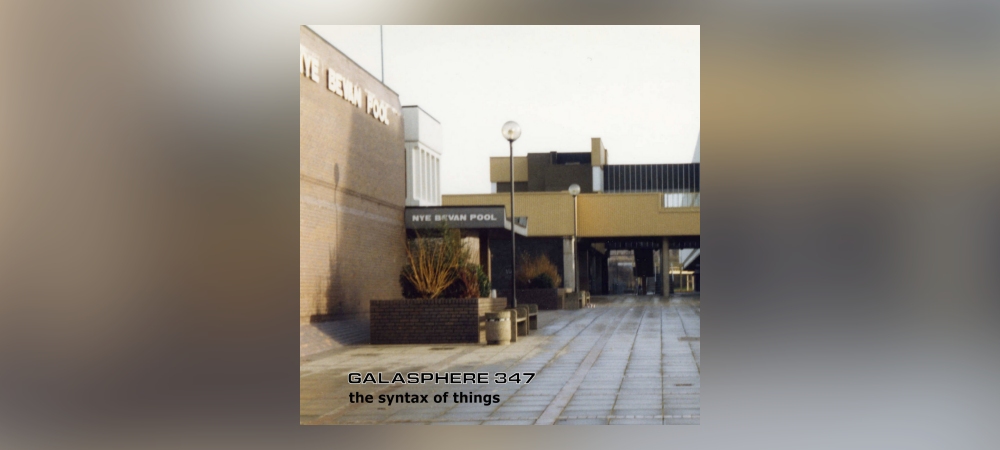
It’s always a thrill to find a new album which intrigues at first, then delights as new nuances and details show themselves with subsequent listens. This is music from seasoned musicians who know exactly how to make modern music with tried and trusted analogue instruments, written and played from the heart. Recommended. And no, I have no idea why the album cover is a photo of the Nye Bevan pool in Skelmersdale, but don’t let that put you off!!
TRACK LISTING
01. Hiraeth Part 1 [Cronus] (3:54)
02. Life as an Architect [Hestia] (9:57)
03. Broken Bones [Eris] (10:56)
04. Nighthawks [Nyx] (6:36)
05. Persephone [Kore] (5:58)
06. The Syntax of Things [Athena] (10:31)
07. Hiraeth Part 2 [Aion] (7:40)
Total Time – 55:34
MUSICIANS
Stephen James Bennett – Vocals, Keyboards, Guitars, eBow, Gizmotron, Lap Steel, Taurus Pedals, ‘Bits & Bobs’
Ketil Vestrum Einarsen – Flute, Programming
Mattias Olsson – Drums, Electric & Acoustic Exotica
~ With:
Jacob Holm-Lupo – Bass, Staccato Guitars (2)
Bjørn Riis – Electric Guitars (3,6 & 7)
John Jowitt – Bass (3,5 & 6)
Myke Clifford – Saxophone (3)
Pete Smith – Bass, Bass Pedals (1 & 7)
ADDITIONAL INFO
Record Label: Independent
Country of Origin: UK/Scandinavia
Date of Release: 27th February 2026