
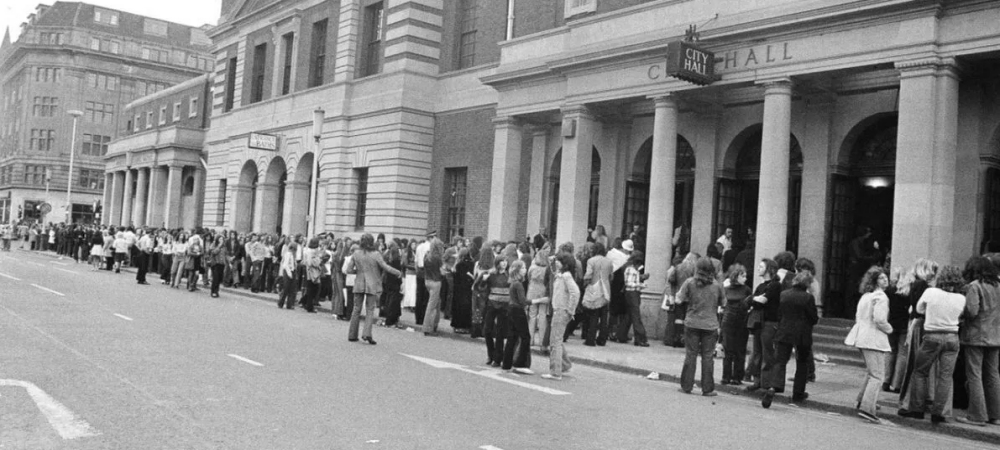
I do speak with band members either in interviews, at concerts or via chats on Facebook and a regular topic is how they get, or don’t, get people to come to their gigs. Also chatting with fellow prog fans at concerts, there seems to be many factors that make most bands, that could never be accused of being on the tips of any non-progger’s tongues, struggle to make live shows, or tours, worthwhile. A situation that I am sure that none of us want. After all, if they hang up their guitars, drumsticks or even kazoos we all lose out.
But it is not all the small, relatively unknown bands that struggle. Recently I have seen both Lulu and Bryn Terfel in concert and they played largish venues, but only small sections of the auditoriums were opened up and even those areas had empty seats. Money might be too tight to mention but if world famous names like those can’t attract the audiences what hope do others have? Okay, Shout or Schubert might not be the everyone’s cup of tea, but big names, at reasonable prices, should create full houses.
There are many contributing factors and no easy answers, but I have tried to look at a few of them and as I tend to see things from only a concert goer perspective I am sure that I might miss a few factors. This is my take on what is making the live scene not as lively as it should be.
The government is going to ban the resale of tickets for profit, which is laudable and a good start, after all, even without the legislation it is immoral, harms the reputations of the bands and hurts real fans. But a crook will always find a way, so the law might not even work. However, even with the electronic ticket touts taken out of the equation the extras that are added by some recognised, and ‘legal’, ticketing companies can, on occasion, add costs which are far more than the face value price of the ticket, plus last year’s Oasis ticket debacle where prices rocketed in line with demand might be missed by the law as they are the ticket companies. At least Dick Turpin wore a mask when he robbed people.

Then there is the economic climate. Punters tend not to be rolling in cash, which might restrict the number of shows they go to in a year, but we are not the only ones. The hospitality sector is suffering at the moment, and it looks like things will get far worse before they get better. Staff wages, rents and possible visible, or invisible, tax changes all make money shrink in the fan’s pockets while, at the same time making profit margins for venues tighter than the proverbial duck’s anatomy. This year I went to a concert at a massive venue in Manchester and they were expected people to take out a mortgage to eat there, and a normal tot of Jack Daniels was £15. That’s right a tot, not full bottle! that). They might attract the bigger artists but also charge the top prices and add their own fee on the sales of merchandise. Complete this sentence “The cheeky…….” (there are several right answers).
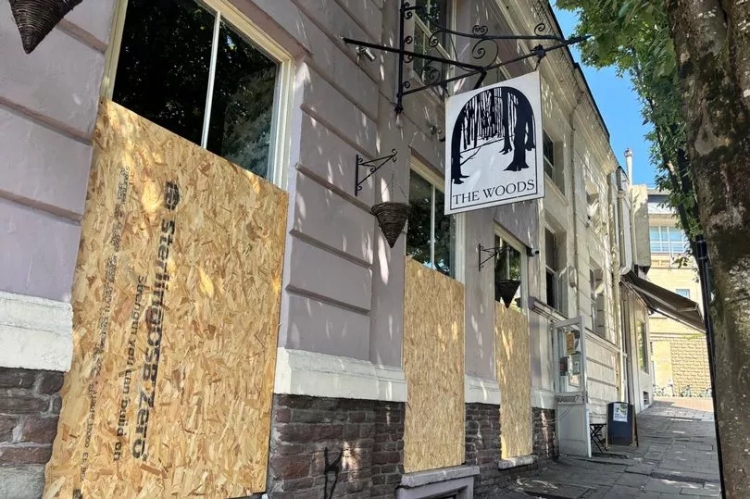
Smaller venues, which can’t attract big names, find it hard to keep heads above water while they need tickets to be bought in advance so that they can get bar stocks in and mange budgets for staff, if they have low advance sales, they might pull the plug if they think that there will not be enough, or any, people turning up on the night and paying at the door.
You might argue that you can see live concerts on YouTube, and other online places but own up, who truly thinks that watching a gig on a laptop or phone makes your pulse race in the same way going to a real concert does? Plus, if you do not support the band live then those free shows you see on a screen might eventually disappear as they are no longer made by the small artists you know and love.
But, it isn’t necessarily the big venues who are guilty of profiteering at the expense of fans, some bands are just as guilty or rapaciousness. There have been several threads on the Facebook page of this website, discussing the cost of Marillion tickets. Some say that the band was taking the proverbial but, to me, like it or not, it is simple market forces. Those that can afford it, and want to go, will pay the money while those that have red lines for how much they are willing to pay will stay at home and just listen to Script for A Jester’s Tear instead. It might alienate some fans, but it is human nature to get what they can. I must admit that I’d love to see them live but won’t pay those prices. And the Springsteens or Swifts of this world do not give a toss about any fan who isn’t loaded and ready to spend their hard-earned cash on them. They will charge astronomical prices because they know that there are quite a few born every minute and a fanatic will pay whatever it costs to see them. Even Kraftwerk, who would need to pay me to go see them, were on some sites, charging just north of £275 to see them in Stockton later this year. Stockton? Come on, you could buy a large part of Stockton for that amount. I admit that I am a schmuck when it came to buying Genesis concert tickets but any other band who wants big money can usually forget it.
Next it is the band’s location. These can be a blessing, but they are more likely to be a curse. Some bands are well known in their own catchment area but being big in Norwich, or wherever, doesn’t mean that they will be able to draw a crowd big enough to fill a phone box if they performed 100 miles from their hometown. However, at least I have witnessed, on numerous occasions, bands beat this problem by appearing in music festivals. Yes, they might be at the bottom of the bill and find themselves playing at 10am on a Sunday morning to a gathering of blurry eyed and hungover zombies who are probably waiting for the bar to reopen. But I have seen quite a few bands win over the most comatose of audiences and, over the years, I have witnessed plenty of bands rise up the pecking order and even headline some of the stages at these same festivals. Perseverance and a no surrender attitude can pay off, with a lot of patience, talent and long periods of poverty.
Then there is the thorny subject of politics in music and bands making overt statements that ram their points of views down people’s throat. Just think of Glastonbury and there will be an instant schism as people fall out over some of the things certain bands said. My former publisher once said to me that as soon as I make political statements in my writing, I lose half my audience. This is because those that disagree with me stop buying my books, and my fan base is small enough, as it is, without losing 11 of them. To me the same advice applies to bands. By all mean sing songs about problems with the world or leaders you do not like but, if you turn into some virtue signalling warrior, shouting in an echo chamber, do not complain if you suddenly stop being as popular as you would like, or you attract the wrong kind of audience. After all, please stand up all those that really love to hear Bono droning on about whatever cause he is backing this week? A taxing dilemma.
Independent bands, of which there are many, have it the hardest. I know of some bands who are true DIY acts, they use social media as if they are magical puppet masters and manage to tour, fill albeit small venues and get their albums into national charts or even top the charts of their specific musical genres, but those are few and far between and it is an almost full time job that requires a power station’s worth of energy and a willingness to gamble a lot of initial capital on sales of CD’s and tickets that are far from guaranteed. But most bands, that I know, have members who play more as a hobby than as their main source of income and the day jobs, balanced with social lives, make that kind of intense marketing nothing more than a piped dream. They play live and hopefully sell a few CDs and t-shirts in the process, but they’ll never be able to move to Antigua on the proceeds.
Then, even though it is not their fault, there is a problem that lays solely at the feet of many bands. Due to the lack of output, the foundations for their sets are limited and each tour, for quite possibly several years, rely on the same songs, in the same order performed in the same way. A loyal fan doesn’t mind this and will go see them no matter what but there are some concert goers, and I have met them, who get a sense of déjà vu with seeing the same thing year in and year out and have started to skip their gigs as they have been there, seen it and bought that tour t-shirt. Some bands avoid delivering this ennui by being unpredictable and ensuring that each concert delivers something unexpected, and quite often strange, in each performance. After all, if the band members don’t know what is going to happen, then the audience won’t either. Again, sadly, there is no answer to this problem as most bands can’t churn out a new album every year but maybe they should mix up the set a little or add a few covers. Freebird anyone?
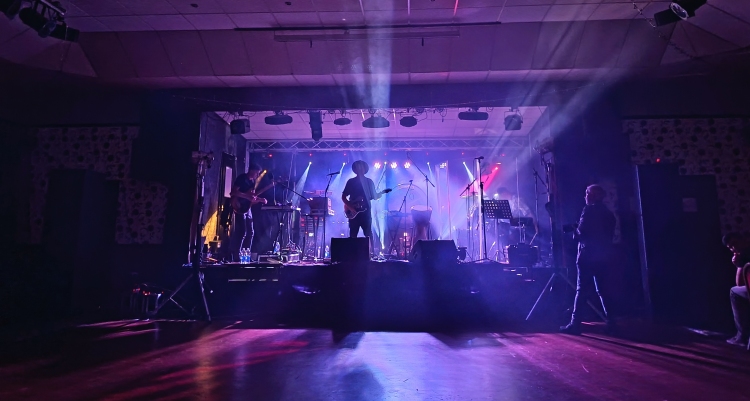
I appreciate that I have highlighted quite a few contributing factors, but I am no venue owner or musician so I am sure that others with much, closer, familiarity to their own issues can add to this. There is no single answer to the problem, no red pill to make everything clear, allowing musicians to play to full houses every night. In turn allowing venues to make some money while the punters are entertained without feeling that a pickpocket has attacked their wallets at the ticket office, bar or merchandise stand.
So, all I can say is, music fans – buy the tickets well in advance and to not leave it too late. You might not always be able to pay at the door as the concert could get cancelled before you get there. And once there, visit the merchandise table. You might not have a record deck or CD player anymore but trust me, you will look amazing in their t-shirt. Plus, you might get to meet the band, musicians don’t bite, okay, the drummers might but go and say hello and get stuff signed. You don’t get that on YouTube.
As for bands, no matter what size you are, try and give your fans variety. If you take them for granted, they might find another band they’d prefer to see. Fans are hard to win and easy to lose. And yes, make the concerts worth your while. Petrol and accommodation are not cheap, so tickets need to cover that, and you need to be able to wet your whistles after the show but, when you do become big, please do not extract the urine with ticket prices. If Paul Heaton can make money by selling his tickets at £38 then so can Taylor Swift or even you.